Recorridos y colecciones
Itinerario del museo
El recorrido de visita del Museo del Cristal de Murano es cronológico: a partir de los hallazgos de época romana (I / IV siglo d. C.), se extiende a lo largo de setecientos años de historia del cristal de Murano, a través de piezas producidas desde el siglo XIV hasta nuestros días, entre los que incluyen obras maestras de fama mundial, y permite profundizar técnicas y aspectos particulares de este arte aún vivo y dinámico.
Descripción del recorrido en inglés
At the beginnings
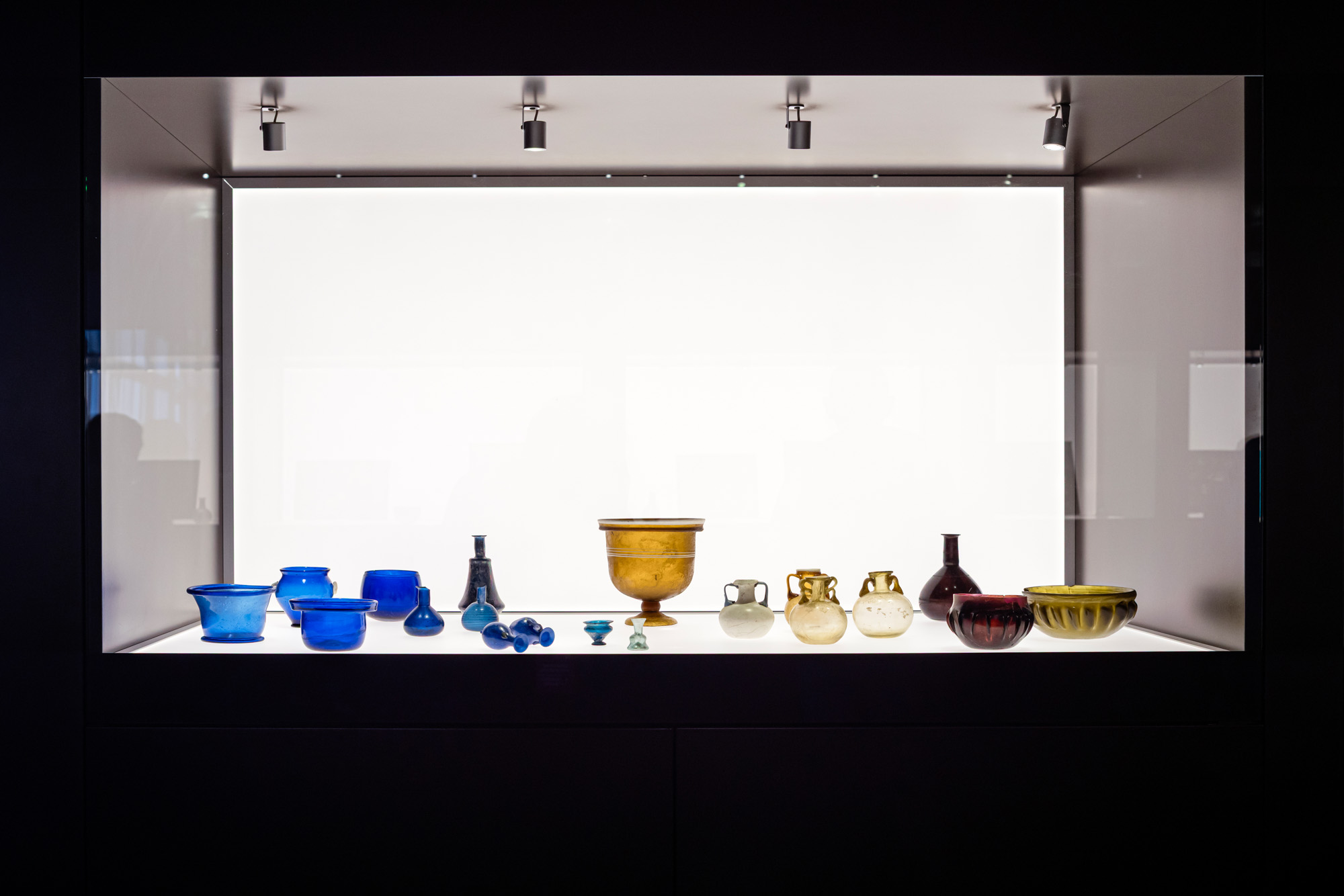
The objects on display document this journey through a wide variety of artefacts produced in Syria, Palestine, the eastern Mediterranean, Greece, northern Italy and other regions, with a particularly significant collection of Roman glass objects dating from the 1st to the 4th century AD, on loan from the Archaeological Superintendency.
From the Fourteenth to the Seventeenth century: the Golden Age
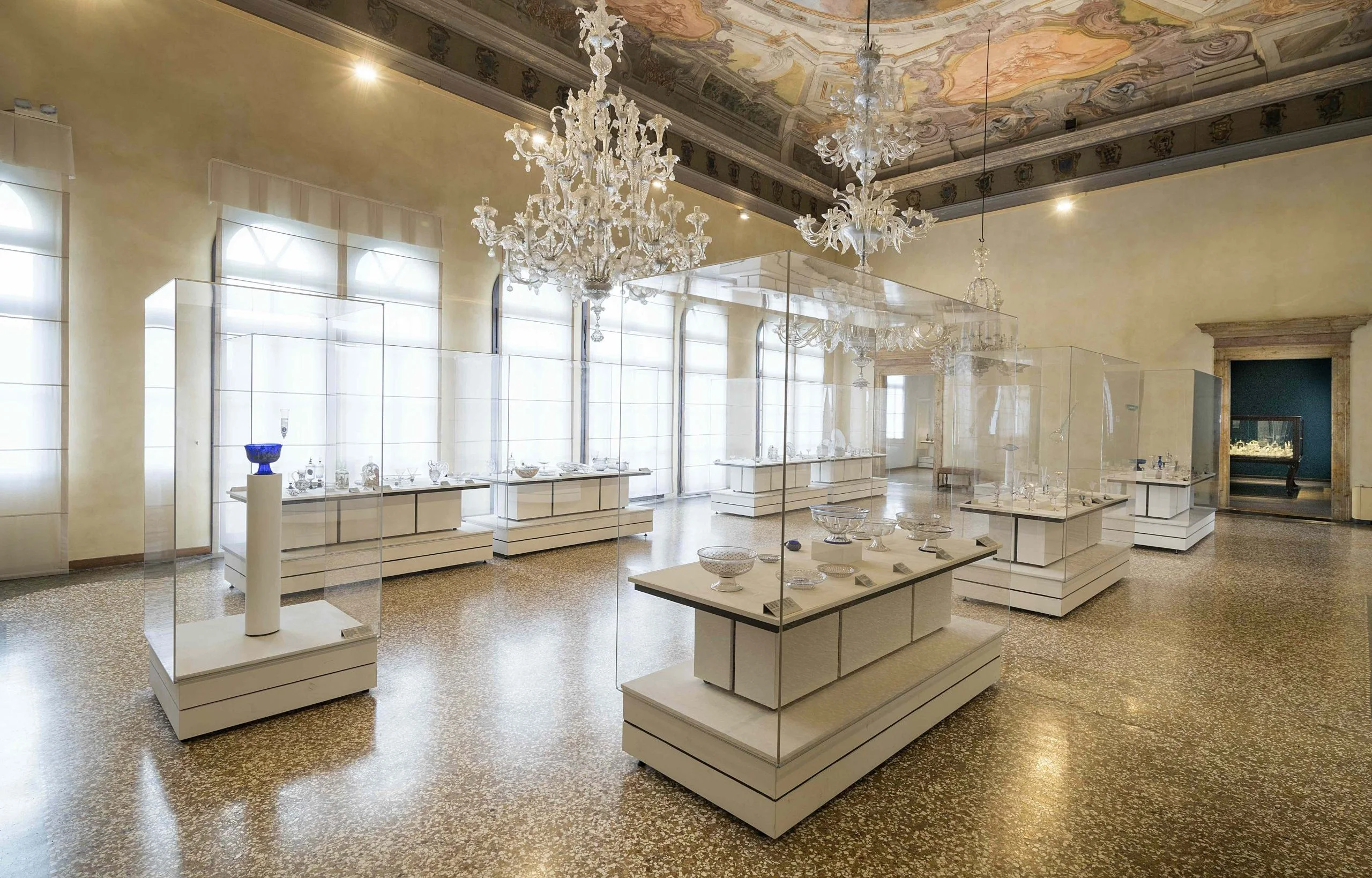
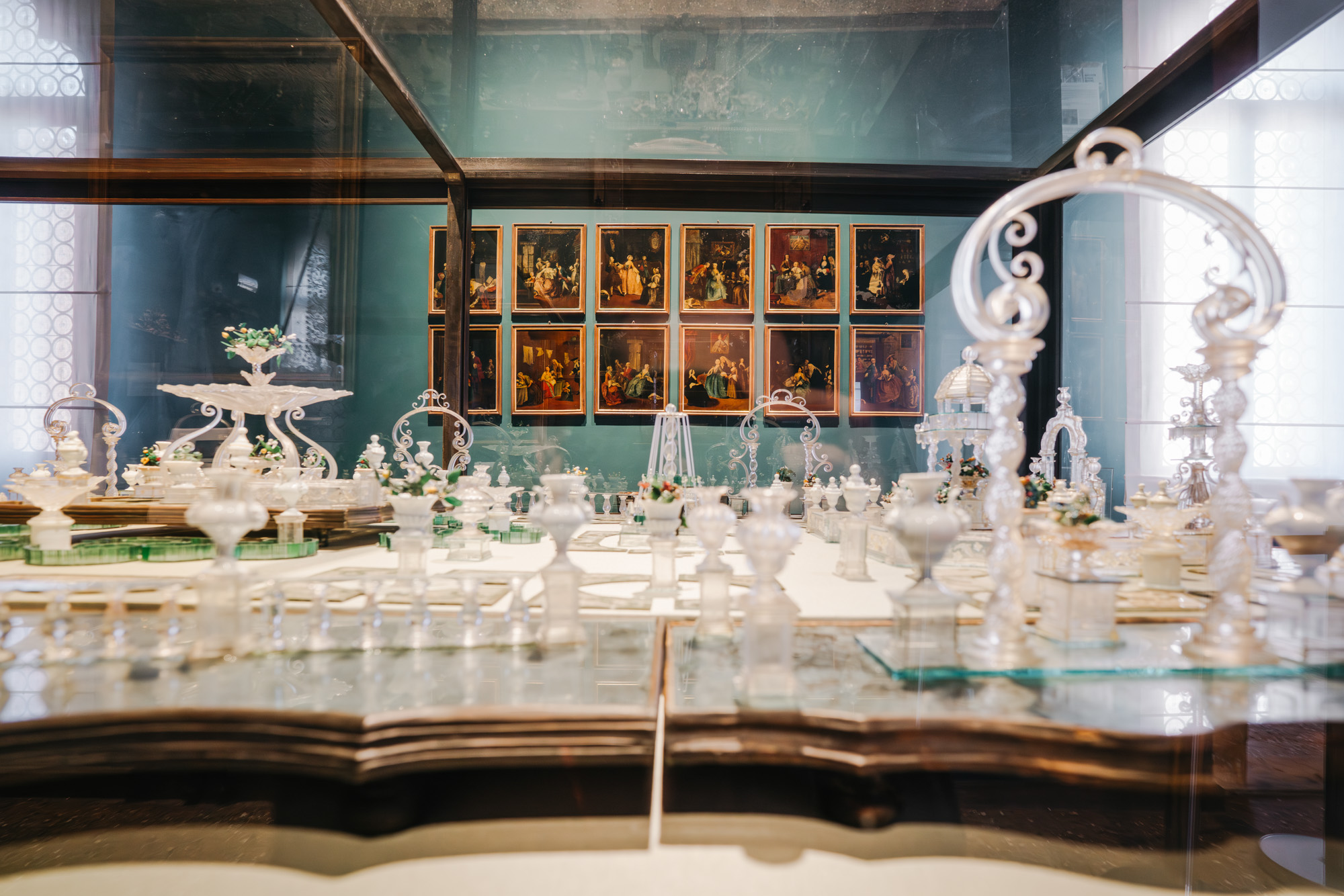
Venetian glassmaking developed through dialogue with the Mediterranean and Eastern worlds, reaching its greatest splendour in Murano between the 15th and 17th centuries. The invention of cristallo glass and new decorative techniques, such as filigree and diamond-point engraving, led Murano glassmakers to pursue extraordinary levels of transparency, elegance and technical virtuosity.
The Eighteenth century: fashion and creativity
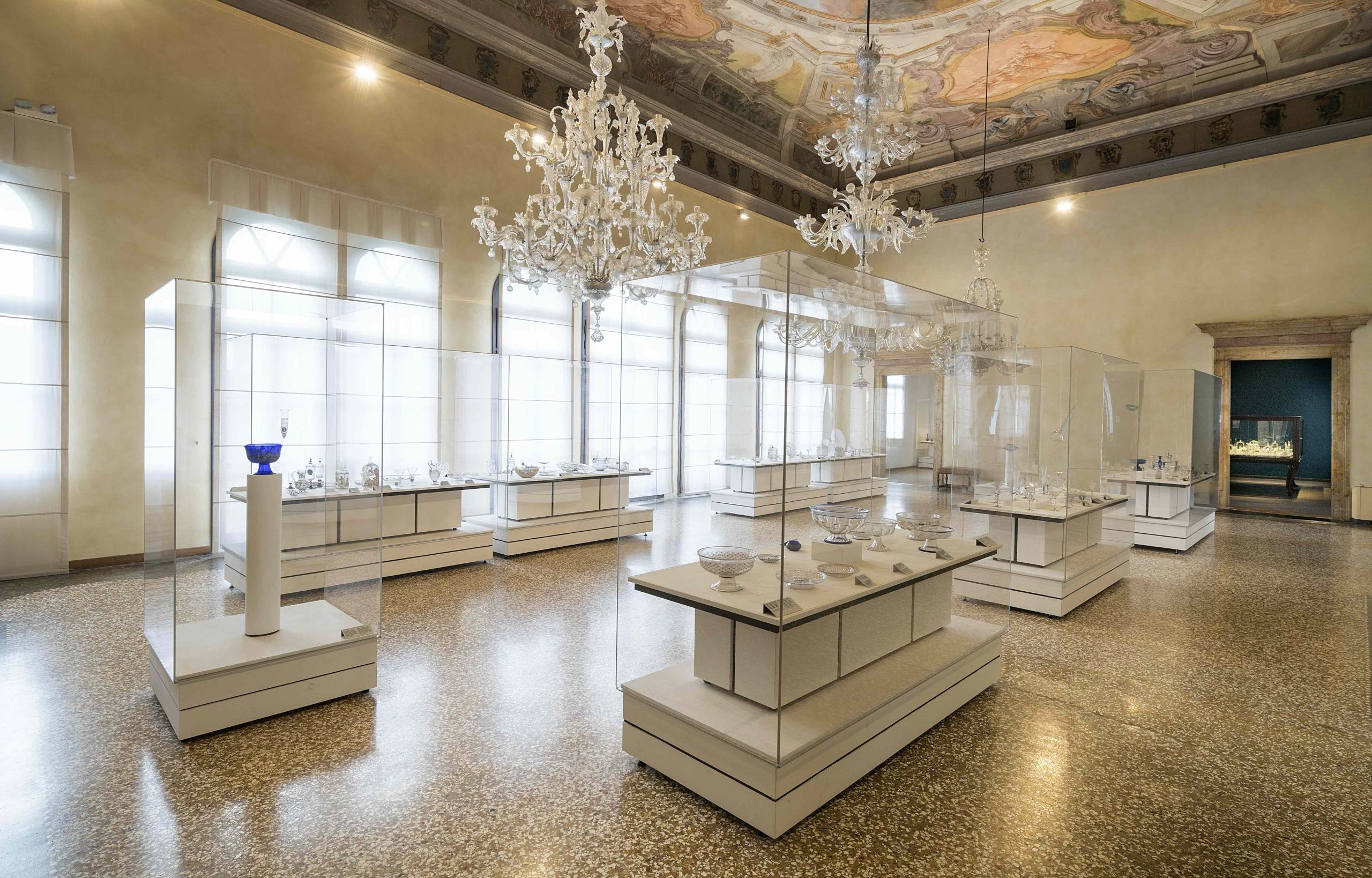
During the 18th and 19th centuries, Murano glassmaking faced competition from Bohemian glass and a prolonged period of difficulty, yet continued to innovate and appeal to contemporary tastes. Giuseppe Briati reinterpreted Bohemian techniques in a Venetian style, creating new decorative forms, including the celebrated crystal chandeliers.
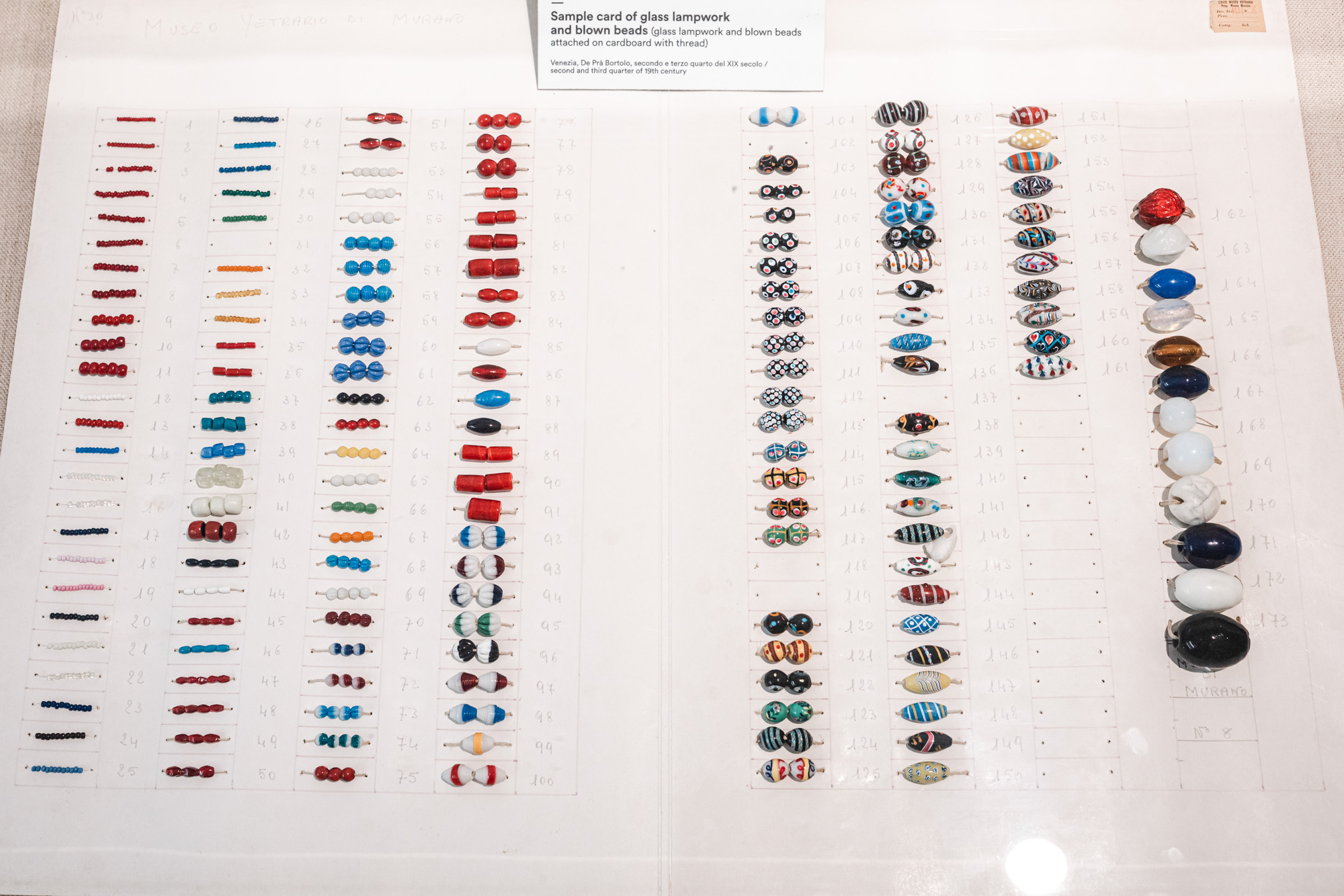
Venetian beads
Produced in Venice since the 14th century, glass beads were for centuries among the Serenissima Republic’s most important trade and export goods. Their production remained flourishing even during the 19th-century crisis and was closely linked to Murano’s history and women’s work, from the innovations of Marietta Barovier to the renowned Venetian impiraresse, the women who threaded glass beads.
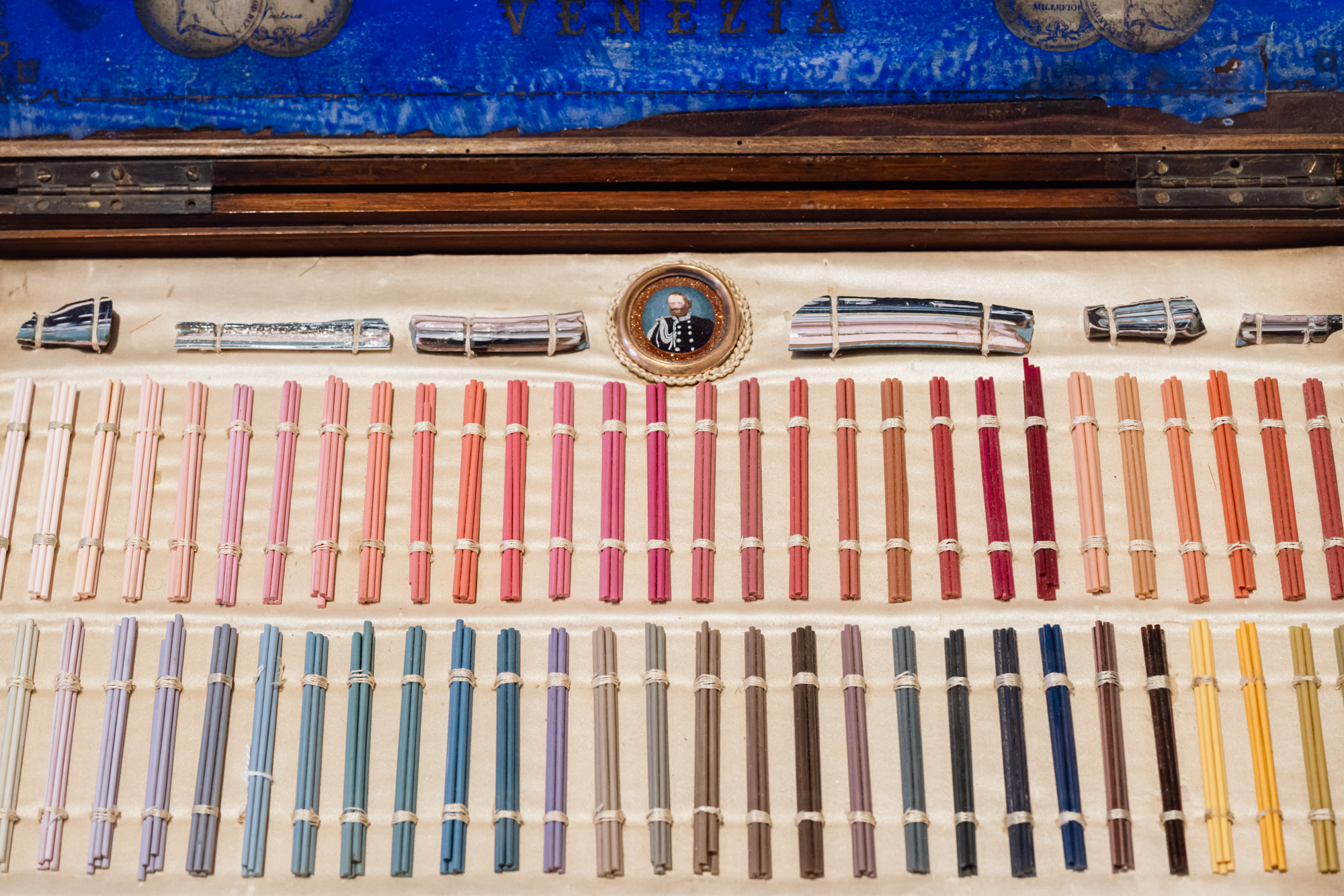
From mosaic glass to “millefiori”: murrine
In the 19th century, amid the severe crisis affecting Murano’s glassmaking industry, the rediscovery of ancient techniques gave new impetus to the art of glass. Among these, murrine glass was reinterpreted through the use of complex millefiori canes, enabling the creation of refined decorations and extraordinary details.
1850-1895: the revival
The key figures of this period were the master glassmakers and entrepreneurs who responded to the crisis in Murano by adopting different strategies.
During the same years, the Museum opened, establishing a fruitful collaboration with the glassworks and setting up a school on its premises to support their activities. After almost a century of obscurity, Murano once again became a centre of artistic glass production.
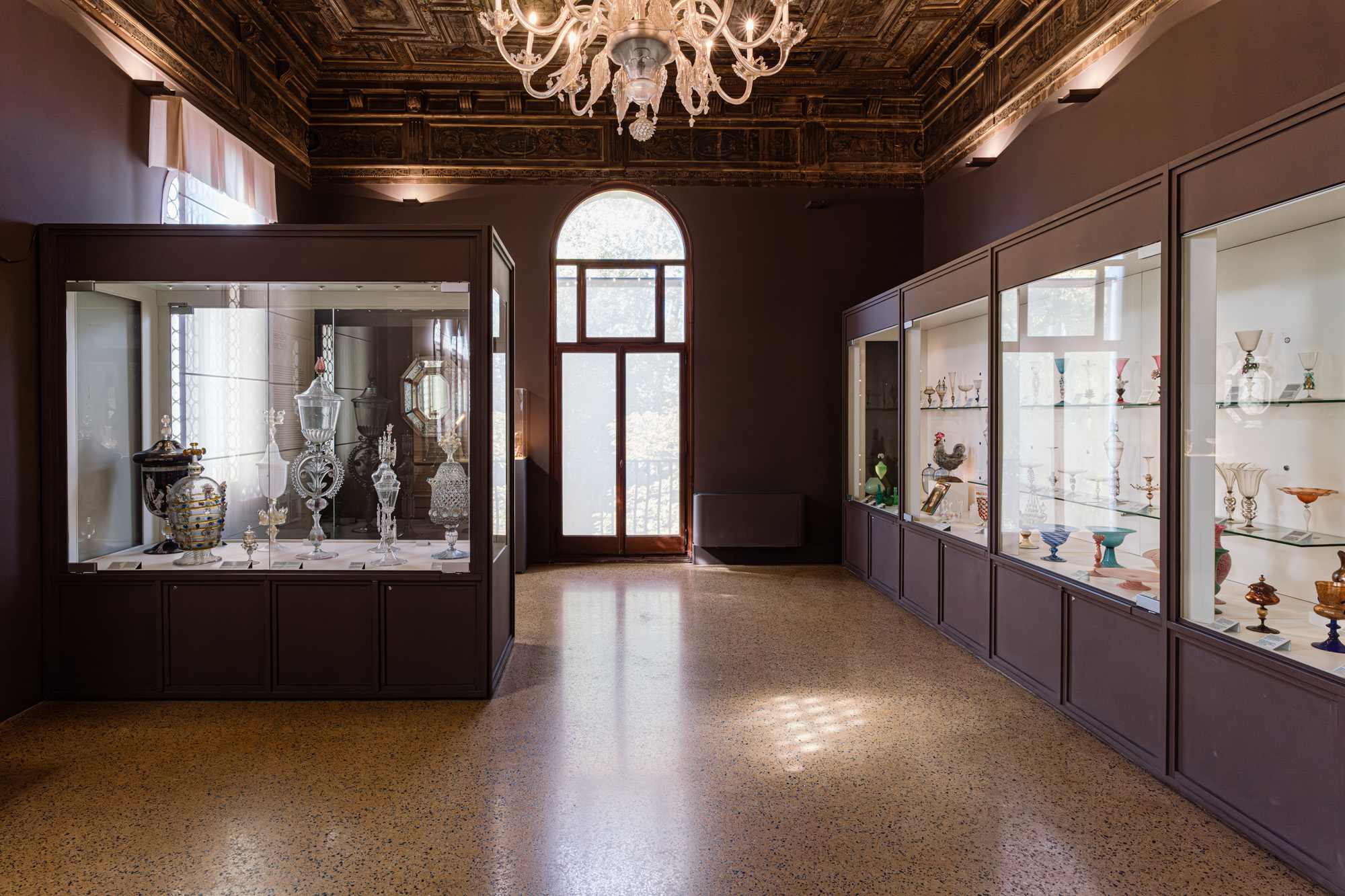
1900-1970: glass and design
In the 20th century, Murano glassmaking found a path towards innovation through collaborations between the most forward-thinking companies and artists or designers.
A range of trends and artistic sensibilities emerged in Murano, particularly in the post-war period, producing works of extraordinary quality.
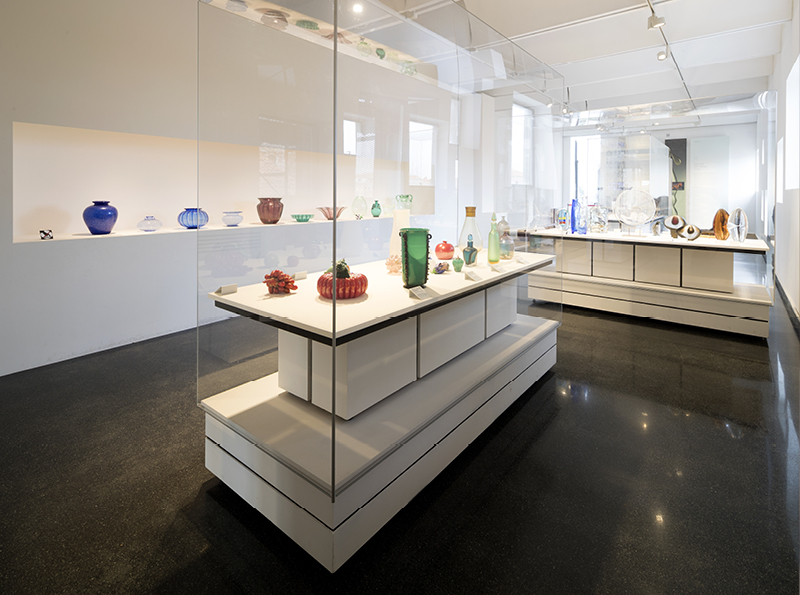
The Nineteenth Century: From Crisis to Revival
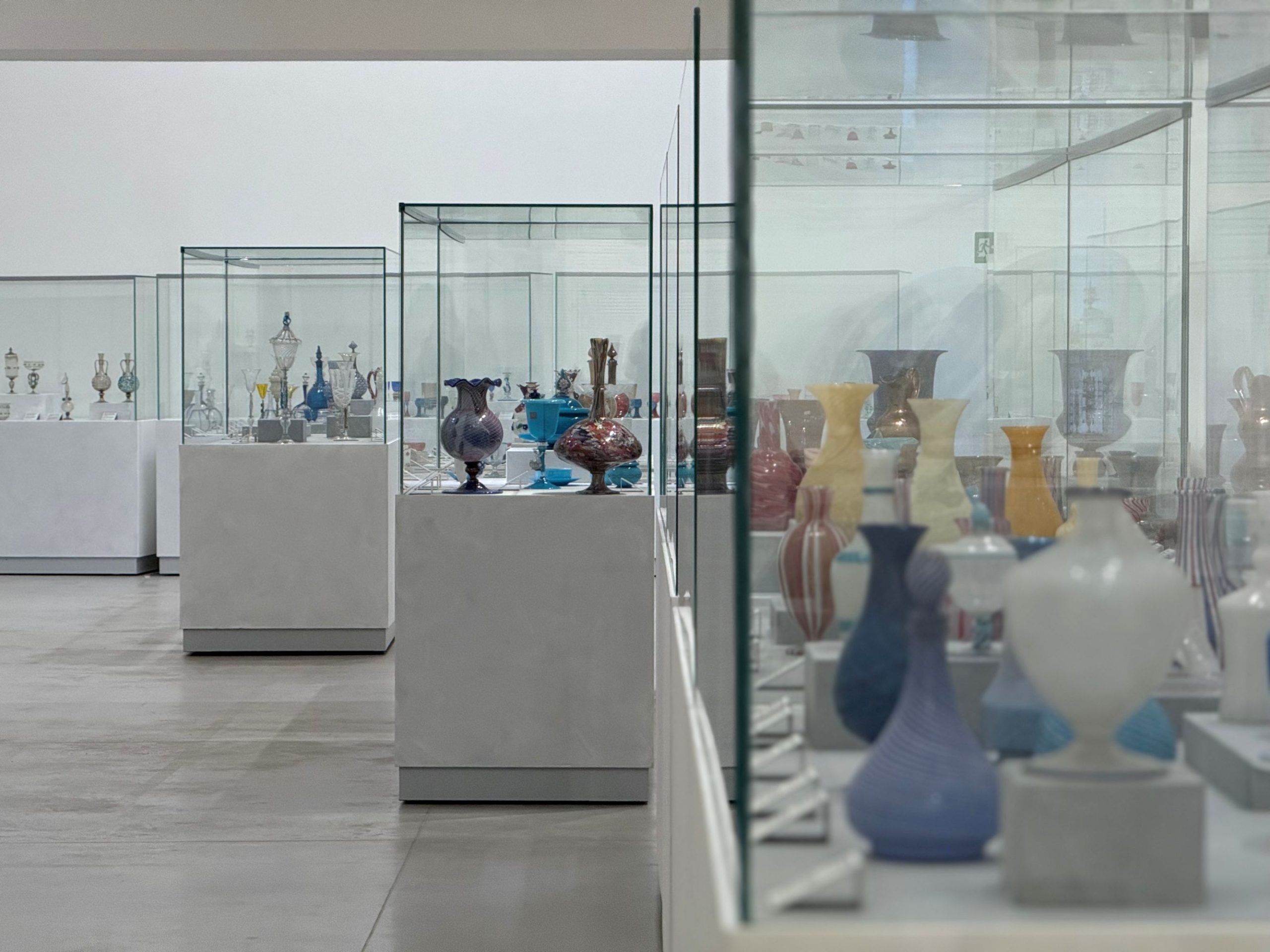
This permanent section of the exhibition path, housed in the former Conterie complex and open to the public since 2025, focuses on nineteenth-century glassmaking through several hundred items, many of which have never been exhibited before and were previously kept in storage.